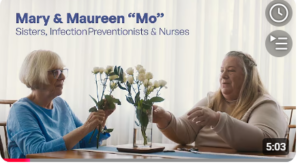
Millions of Americans develop drug-resistant infections each year, which can be difficult, or impossible, to treat. For sisters Mary and Mo, the issue is deeply personal because they lost their mom to a drug-resistant infection. Mary and Mo now work as nurses and infection preventionists dedicated to helping others avoid similar tragedies. In this video, Mary and Mo share their story and explain how simple actions can help prevent infections. Learn how to protect yourself, your loved ones, and your community from drug-resistant infections at https://www.cdc.gov/antimicrobial-res…. #DrugResistantInfections #AntibioticResistance #AntimicrobialResistance #InfectionPrevention #CDC #PatientSafety #HandHygiene

Social Media News
September - October 2026
Lives Changed by a Drug-Resistant Infection: Mary and Mo's Story
CDC 24 Jul 2026
Deciding in crisis: Ethics, equity and trust in outbreak response
ECDC Lighthouse. ECDC 8 sept 2026
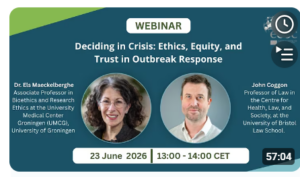
What does it mean to make fair and ethical decisions during a health crisis? Pandemic decisions are shaped under pressure, when evidence is limited and values often conflict. This Lighthouse webinar dives into real-world challenges such as vaccine prioritisation, mandatory vaccination debates, and how trust in public institutions influences public health outcomes. Pandemics are more than purely medical events, but rather complex social emergencies where ethics is always part of the decision-making process. You can also find out more about how ethical frameworks operate in practice, moving beyond theory into the realities of governance, law, and public health systems. Key ideas include the balance between procedural and substantive ethics, the concept of “moral distress” among decision-makers, and why ethical preparedness must be built into systems before crises occur. Through practical examples, including dilemmas of resource allocation and fairness, this webinar offers a deeper understanding of how societies can navigate uncertainty while striving for equity, legitimacy, and public trust. Speaker: Professor John Coggon – Professor of Law in the Centre for Health, Law, and Society at the University of Bristol Law School